

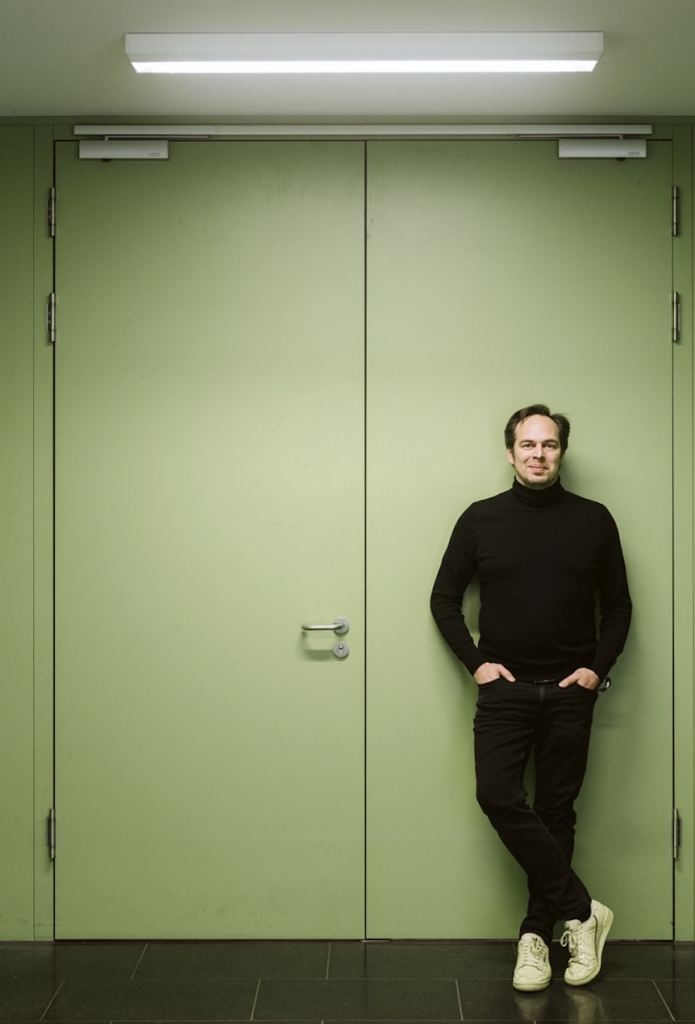
Photo: Alexander Rentsch, HTW Berlin
Prof. Pablo Dornhege, HTW Berlin
Pablo Dornhege is Professor of Transmedia Design at HTW Berlin. He researches and teaches how extended reality technologies open up new design possibilities and spaces for knowledge transfer and culture. From 2019 to 2022, he led the research project »Im/material Theatre Spaces« with Franziska Ritter and was the representative for digitality and new technologies at the German Theatre Technical Society (DTHG). He taught as a visiting professor at the Berlin University of the Arts (UdK) and conducted research at international universities such as Central Saint Martins College London, NYU Abu Dhabi, and the Institute for Advanced Architecture Barcelona.
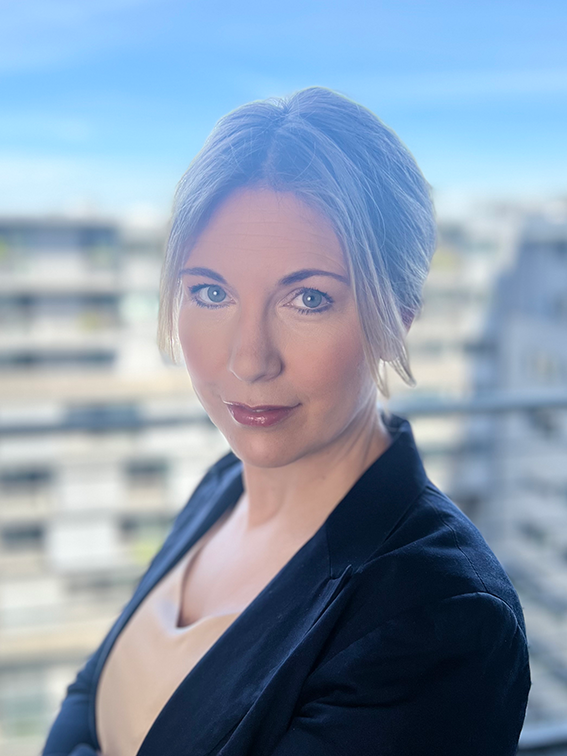
Dr. Tanja Schneeberger, DFKI
Tanja Schneeberger is Professor of Psychology at the University of Europe for Applied Sciences Berlin and has been a scientist at the German Research Center for Artificial Intelligence (DFKI) since 2011. Since 2015, she has been researching human-computer interactions and relationships in the Affective Computing Group at DFKI, using socially interactive agents as an interface. As General Chair, she was primarily responsible for organizing the XXV International ACM Conference on Intelligent Virtual Agents (IVA) in 2025, with a focus on Aesthetics & Culture. She earned her PhD from Saarland University, where her dissertation focused on affective reactions to socially interactive agents and their computational modeling.
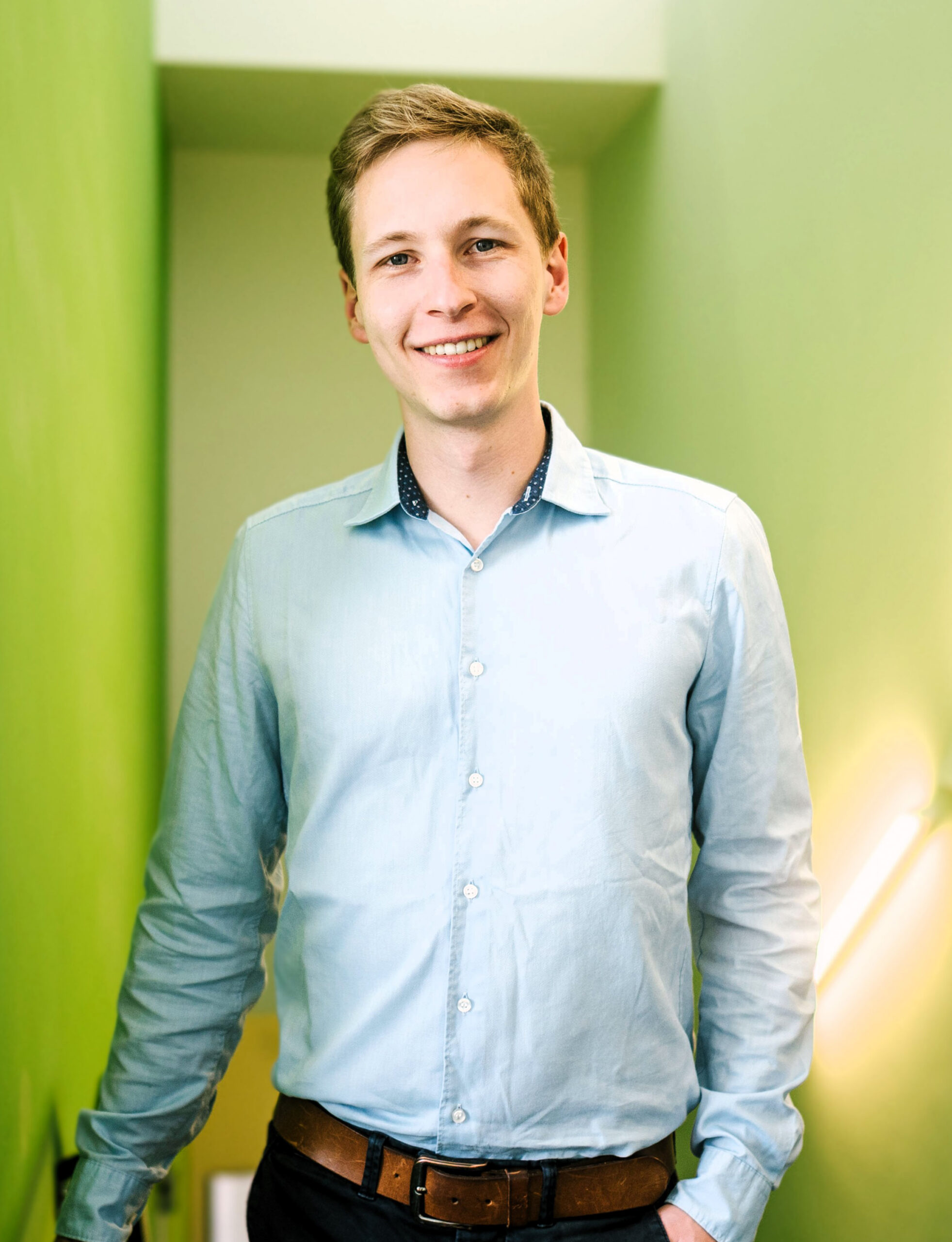
Christoph Holtmann, HTW Berlin
Christoph Holtmann has been a research assistant at HTW Berlin since 2017, focusing on augmented and mixed reality, immersive computing, and cross-platform development. His work combines technical innovation with user-centered methods of human-computer interaction and user-centered design. Most recently, he was a member of the ARPAS research project, which tested models for how AR technologies can be used for social innovation and new forms of citizen participation in urban development. At IUNO, Christoph Holtmann is involved in the collaboration as a developer and technology expert within the framework of the Artistic Fellowship.
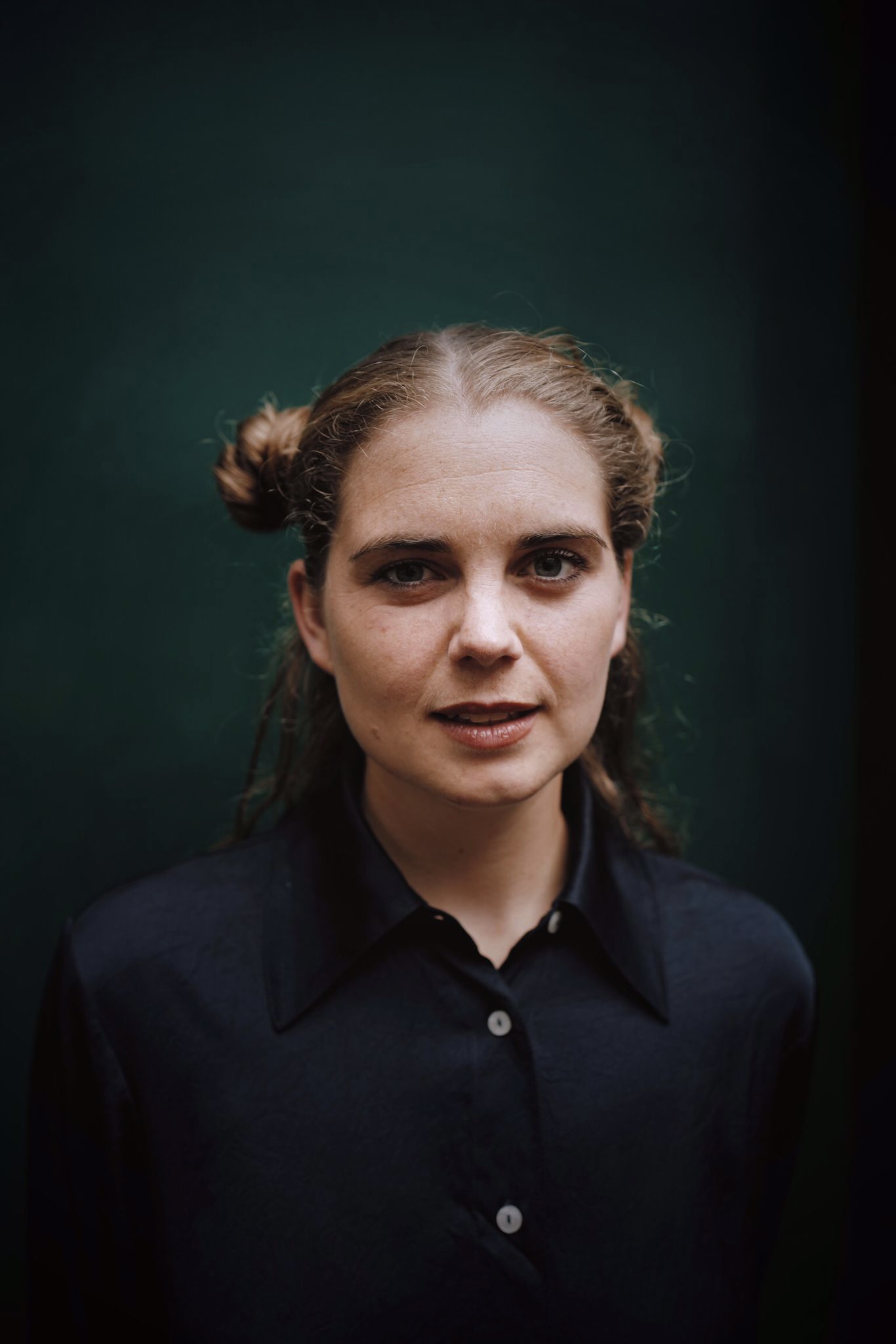
Photo: Caendia Wijnbelt
Dr. Paula Strunden, ETH Zürich
Dr. Paula Strunden is a transdisciplinary artist and researcher working at the intersection of architecture, immersive media, and feminist theory. She is currently a Postdoctoral Fellow at ETH Zurich (2025–27). Strunden studied architecture in Vienna, Paris, and London, and has worked with Herzog & de Meuron and Raumlabor Berlin. Her PhD, developed within the Horizon 2020 project TACK—Communities of Tacit Knowledge, focused on multisensory perception in Extended Reality (XR) and was awarded the 2023/24 Academy of Fine Arts Vienna Prize. Her immersive XR installations have been exhibited internationally at the Royal Academy of Arts London, MAK Vienna, Nieuwe Instituut Rotterdam, Museum der Moderne Salzburg, and MU Hybrid Art House Eindhoven.
Website: paulastrunden.com
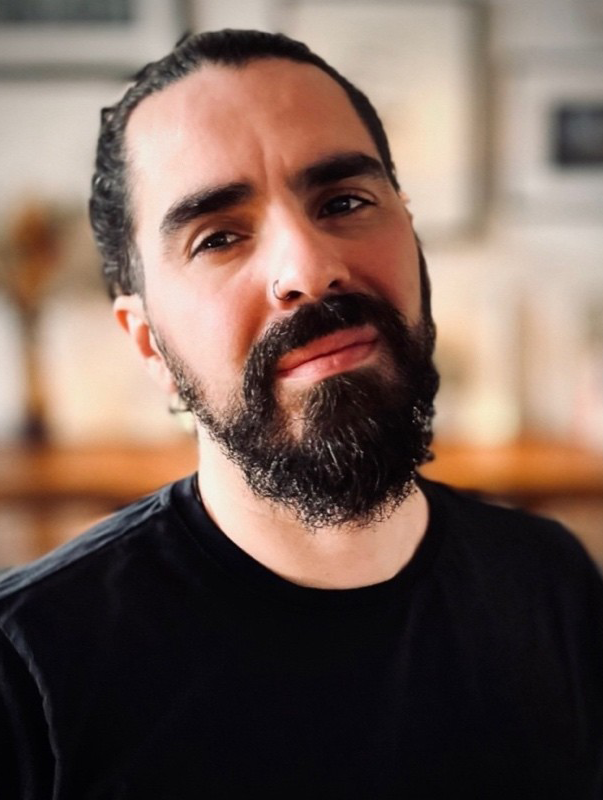
Felipe Sánchez Luna, klingklangklong
Felipe Sánchez Luna is the Co-Founder, Managing- and Creative Director of kling klang klong. He is a specialist in immersive sound experiences and sonic narration. Working at the intersection of sound, technology, and space, he designs sonic environments that respond, evolve, and communicate. He has many years of experience using artificial intelligence and immersive technologies at kling klang klong, creating amazing and award-winning projects such as »For Seasons« with the NDR Elbphilharmonie Orchestra, »Myriad« with the Interactive Media Foundation gGmbH, and the German Pavilion for Expo 2025 in Osaka. Felipe Sánchez Luna holds a Master’s degree in Sound Studies from the UdK Berlin.
Website: klingklangklong.com
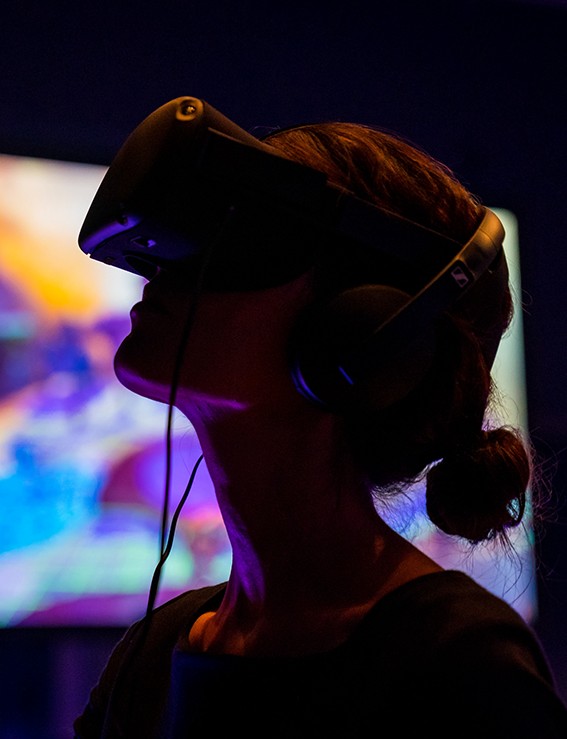
Photo: Marcus Werner for Konzerthaus Berlin
Maja Stark, HTW Berlin
Maja Stark is an art scientist working at the intersection of society, new technologies, and art and culture. Since 2018, she has been a research associate at HTW Berlin, where she manages EU-funded projects supporting Berlin’s independent cultural scene. These include the AURORA School for ARtists (2018–2022), the projects XR_Unites (2020–2023) and HERA (2023–2025), as well as, since 2026, the IUNO project. Across the initiatives she has coordinated since 2018, more than 30 cultural offerings based on XR technologies have been developed and presented. Within IUNO, she supports artistic-technological processes from initial concept through interdisciplinary research to public presentation.